


P898 | The Thrilling World of Strategy Games: A Dive into P898
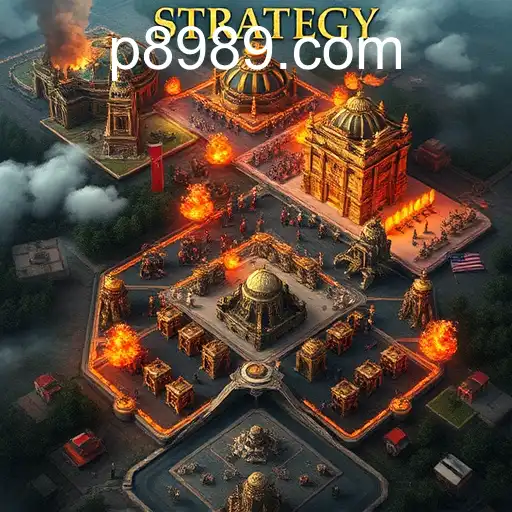
Strategy games hold a special place in the hearts of players who cherish intellectual challenges and critical thinking. Characterized by a focus on strategic planning and skillful resource management, these games provide an engaging and rewarding experience unlike any other gaming category. On several gaming websites, the keyword 'P898' denotes strategy games, becoming a portal to a captivating universe of tactical brilliance.
From classic board games like chess and Go to highly interactive video games such as Civilization and StarCraft, strategy games come in various forms, each with its distinct charm and complexity. These games often require players to think several moves ahead, anticipate an opponent’s strategy, and adapt to ever-changing environments. This mental gymnastics positions strategy games not only as a form of entertainment but as a tool for developing critical cognitive skills.
The popularity of strategy games has skyrocketed in recent decades with the advancement of technology. Digital strategy games have evolved to offer immersive experiences through realistic graphics, intricate storylines, and sophisticated AI-driven opponents. Online multiplayer modes further elevate the experience, allowing players to compete against others worldwide, fostering a sense of community and sportsmanship among enthusiasts.
A significant factor in the enduring appeal of strategy games is their versatility. They cater to a wide range of interests, from historical simulations that allow players to recreate and alter crucial historical events to futuristic settings that challenge them to explore uncharted territories. This diversity not only broadens the audience but also keeps the genre fresh and exciting.
In educational settings, strategy games are frequently incorporated as tools for learning and development. They encourage players to solve problems, make decisions under pressure, and strategize effectively, which are valuable skills in real-world applications. Teachers and parents often leverage these games to support traditional learning methods, finding them effective in enhancing students' strategic thinking capabilities.
In conclusion, strategy games, symbolized by the 'P898' keyword, offer more than just entertainment. They challenge our minds, encourage strategic planning, and provide a platform for social interaction and community building. As technology continues to evolve, the future of strategy games promises even more innovation and excitement, ensuring that they will continue to captivate and inspire players around the globe.
